How to Get to Salar de Uyuni
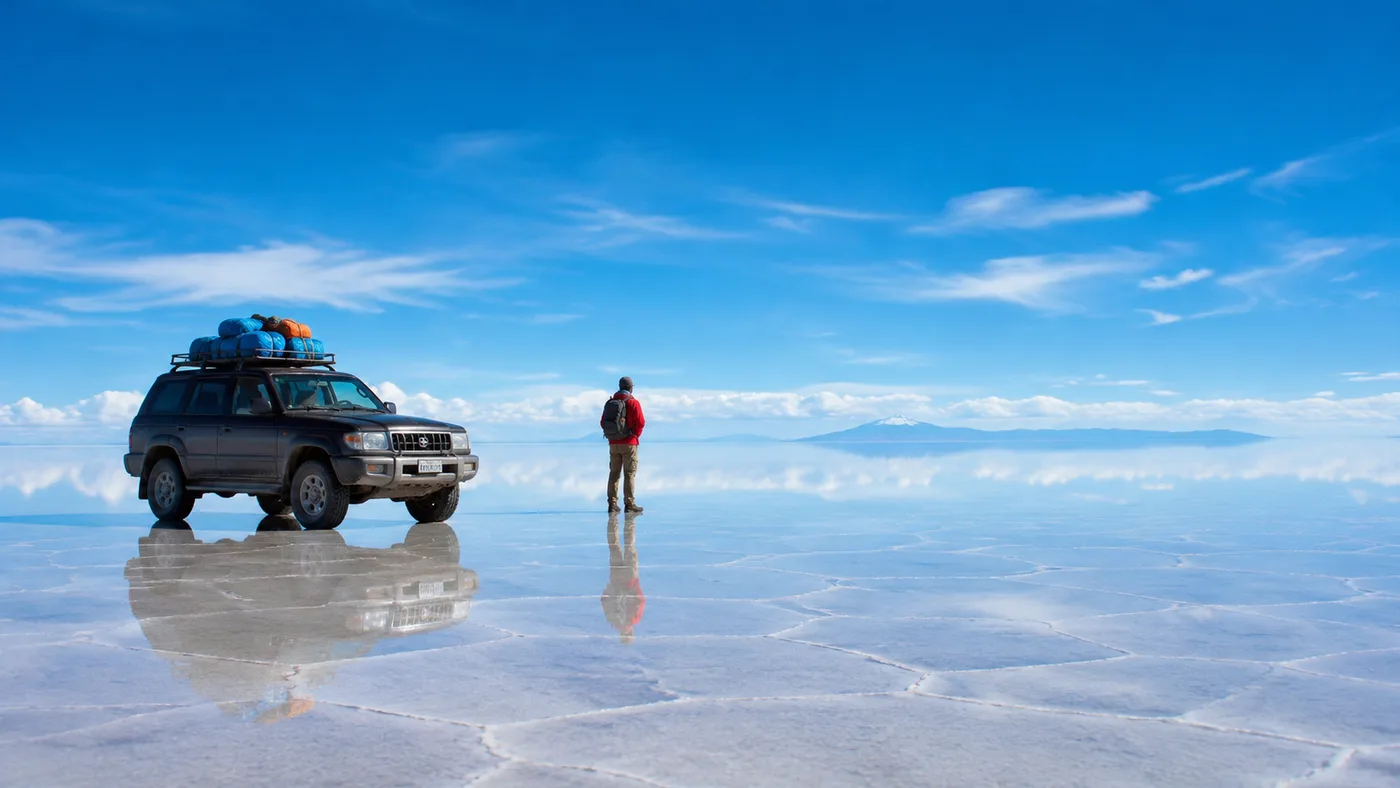
Standing in the middle of ten thousand square kilometers of blinding white salt feels like standing on an alien planet. Getting there, though, requires wrestling with Bolivian geography, bumpy high-altitude roads, and an assortment of night buses and propeller planes. If you are trying to figure out how to get to salar de uyuni, you will quickly realize there is no single magical route. The flats sit tucked away in the southwestern corner of Bolivia at 3,656 meters above sea level, far from major international airports. You have to piece the journey together in stages.
Most travelers approach the salt flats from La Paz, Sucre, or across the border from San Pedro de Atacama in Chile. Each route comes with its own quirks, trade-offs between cash and comfort, and altitude shifts that can knock the wind right out of you. This guide walks you through every realistic route, the exact costs you can expect, and how to avoid the classic transport headaches that catch people off guard.
Book your Salar de Uyuni tour experience:
The Main Corridor: Traveling from Uyuni La Paz to Salt Flats
La Paz is where most people begin their journey. The capital sits in a massive canyon, and getting from the chaos of La Paz to salt flats territory is something of a backpacker rite of passage. You basically have two choices: fly over the altiplano in 47 minutes, or endure a ten-hour overnight bus ride across roughly 540 kilometers of paved highway.
Overnight buses leave La Paz between 8:00 PM and 10:00 PM every evening. Companies like Todo Turismo cater heavily to foreign travelers, charging around 310 Bolivianos (roughly $45) for a semi-cama or full-cama seat that reclines nearly flat. They hand you a lukewarm dinner tray, provide functioning seatbelts, and actually turn on the heating, which matters immensely when the altiplano drops to minus 7 degrees Celsius outside. Local bus companies operating out of the main Terminal de Buses on Plaza Antofagasta run the same route for 120 to 160 Bolivianos. Those buses get you there just fine, but the onboard heaters are notoriously fickle, and the toilets are often locked five minutes after departure.
The buses roll into Uyuni town somewhere between 5:30 AM and 6:30 AM. Stepping off the bus into the biting morning air is a shock. The streets are pitch black, packs of stray dogs are barking near the gravel curbs, and tour agency touts are already shivering in puffy jackets, waving photocopied itineraries in your face. If you booked a la paz to salar de uyuni tour through an agency up in La Paz, someone will usually meet you at the bus door. If you booked nothing, you can simply walk into one of the cafes lining Avenida Ferroviaria, drink a hot coca tea, and wait for the sun to warm things up.
Note: Road blockades (bloqueos) organized by local unions can pop up on the La Paz to Oruro highway with zero notice. Always ask your hostel staff the afternoon of your trip if any road strikes are active before heading to the terminal.
If you prefer skipping the long bus ride, BoA (Boliviana de Aviación) runs regular flights between El Alto International Airport in La Paz and Joya Andina Airport in Uyuni. Flying cuts your travel time down to under an hour, but flights fill up weeks in advance during the peak dry and wet seasons. It is by far the easiest way to solve the puzzle of how to get to bolivia salt flats without losing an entire night of sleep.
| Route Option | Travel Time | Typical Cost (USD) | Comfort Level | Best For |
|---|---|---|---|---|
| Direct Flight (BoA) | 45 - 50 mins | $80 - $140 | High | Short itineraries, avoiding rough night travel |
| Tourist Night Bus (Todo Turismo) | 9 - 10 hours | $40 - $48 | Moderate | Budget travelers who want heat and dinner |
| Local Night Bus (Trans Omar / Panasur) | 10 - 11 hours | $18 - $25 | Low to Moderate | Backpackers on a strict shoe-string budget |
| Bus + Train via Oruro | 11 - 13 hours | $22 - $35 | Moderate | Train enthusiasts, scenic daylight travelers |
Salar de Uyuni Flights: The Quick Air Route
For anyone short on time, salar de uyuni flights are worth every single penny. Joya Andina Airport sits just northwest of Uyuni town, roughly five minutes away by taxi. It is a tiny, wind-swept terminal with one runway and an apron that rarely holds more than two aircraft at once.
When you land, the dry air hits your lungs immediately. El Alto airport sits at 4,061 meters, and Uyuni sits at 3,656 meters, so flying between them does not spare you the altitude. If you flew in from sea level to La Paz and connected directly onto a flight to Uyuni on the same afternoon, you will almost certainly suffer from soroche (altitude sickness). Spend at least two nights resting in La Paz or Sucre before landing on the high plateau.
Airlines change their schedules often here. BoA is currently the primary carrier flying into Joya Andina, typically running one or two departures in the early morning and occasionally one in the late afternoon. Return flights to La Paz leave shortly after arrival. The baggage allowance on domestic Bolivian tickets is usually 20 kilograms for checked bags and 5 kilograms for carry-ons. Taxis wait outside the arrivals hall; the fixed rate into the town center is around 15 Bolivianos per passenger, or roughly $2.20.
Pro tip: Grab a window seat on the left side of the plane when flying south from La Paz to Uyuni. On clear mornings, you will get an aerial view of the snow-capped Cordillera Real and the shimmering edges of Lake Poopó.
The Scenic Detour: Tupiza Starting Point Tours Salar de Uyuni Mirror
If you have extra days and want to dodge the chaotic tour traffic leaving Uyuni town, look at Tupiza. Sitting in a red-rock river valley south of Uyuni, Tupiza looks like a Bolivian version of the American Wild West. It was the backdrop for Butch Cassidy and the Sundance Kid's final days, and it happens to be one of the best alternative launch pads for reaching the salt desert.
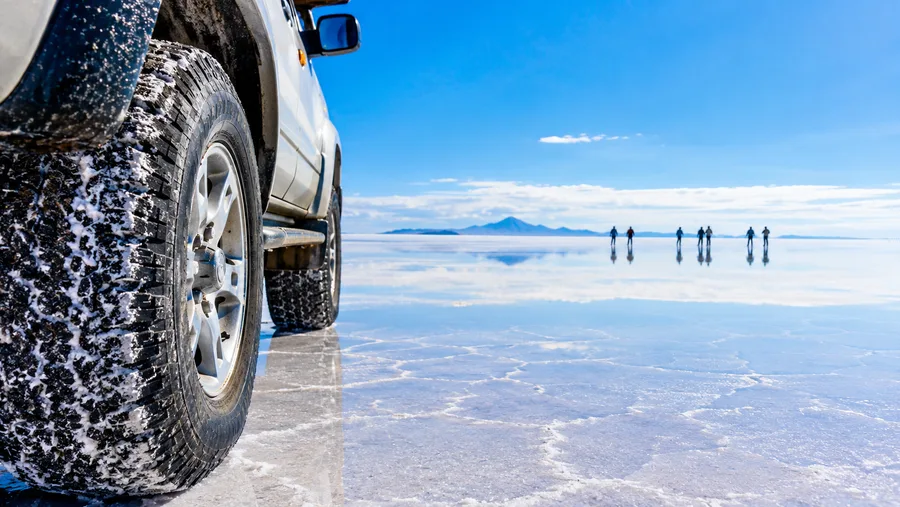
Opting for tupiza starting point tours salar de uyuni mirror excursions changes the whole rhythm of the trip. Instead of the standard three-day dash that starts on the salt flat and works backward through the desert, four-day tours departing from Tupiza approach from the south. You spend the first three days crawling through surreal high-altitude landscapes - ghost mining settlements, fields of volcanic boulders, and the neon-colored Laguna Verde - without seeing dozens of other Land Cruisers around you.
You arrive at the Salar de Uyuni on the fourth morning at sunrise. Coming upon the vast white expanse at the very end of an expedition feels earned. During the rainy months from January to April, when water covers the salt crust, the south-to-north route through Tupiza delivers some of the most striking reflections you will ever witness because your driver can hit unchurned sections of water early before other groups arrive.
To reach Tupiza, you can take a night bus from La Paz (about 14 hours), a scenic bus from Potosí (around 5 hours over paved mountain roads), or cross the land border from La Quiaca in northern Argentina into Villazón, followed by a quick 90-minute colectivo ride to Tupiza.
Book your Salar de Uyuni tour experience:
Regional Routes: Coming from Sucre, Cochabamba, and Atacama
Not everyone travels directly down from La Paz. Bolivia has a winding overland network, and plenty of travelers piece together a route through the colonial cities or cross the border from northern Chile.
If you are coming from Sucre, Bolivia's whitewashed constitutional capital, the journey is straightforward. You take a local bus or shared minivan to Potosí, which takes roughly three hours along a smooth, curving highway. From the old mining hub of Potosí, you switch to a westbound bus to Uyuni. That second leg lasts around four hours and cuts through stunning red canyons and barren valleys where vicuñas graze alongside the road. The whole trip from Sucre takes around seven to eight hours and costs under $15 total.
If you are looking at a tour salar de uyuni desde cochabamba, the journey takes a bit more stamina. Cochabamba sits in a fertile valley at lower elevation, so you will need to climb back up to the altiplano. You can take an overnight bus through Oruro directly down to Uyuni, which takes approximately 11 hours. A few boutique operators in Cochabamba arrange private transport packages, but most independent travelers simply book a standard inter-city bus departing from Cochabamba's main terminal on Avenida Ayacucho.
Coming across the border from Chile is an entirely different adventure. An Atacama to Salar de Uyuni tour starts in the desert oasis of San Pedro de Atacama. A mini-bus drives you up to the Hito Cajón border post at 4,480 meters, where you clear Chilean and Bolivian customs in a pair of remote stone huts. From there, you switch into a Bolivian 4x4, spend two days crossing the Eduardo Avaroa Reserve, and finish your journey at the salt flat on day three before getting dropped in Uyuni town.
- From San Pedro de Atacama: 3-day one-way 4x4 expedition crossing the border at Hito Cajón, ending in Uyuni town.
- From Sucre via Potosí: 7 to 8 hours by daytime bus, very scenic, entirely on paved roads, cost around 60 to 90 Bolivianos.
- From Cochabamba: 11-hour overnight bus route via Oruro, departs nightly, fares run between 90 and 140 Bolivianos.
- From Northern Argentina: Border crossing at La Quiaca/Villazón, then a train or colectivo to Tupiza, followed by a 4-day loop tour.
Arriving in Uyuni Town: What to Expect
Uyuni itself is a strange place. It exists almost entirely as a service outpost for the railway lines and the waves of travelers arriving to see the flats. The town is flat, windy, and dry, built on a grid of wide dirt and paved streets lined with brick buildings, pizza parlors, and souvenir stalls selling llama wool hats.
Most travelers spend as little time in town as possible, and honestly, you do not need more than an afternoon here. Everything revolves around the intersection of Avenida Ferroviaria and Calle Arce. That is where the tour operators have their offices, where the cafes serve strong coffee and pancakes, and where the local ATM kiosks cluster. Be aware that the town ATMs run out of cash frequently on weekends. Bring enough Bolivianos from La Paz or Sucre to cover your park entrance fees, tips, and tour balances.
If you arrive on a 6:00 AM bus without an advance tour booking, don't panic. You will find several cafes open early specifically to shelter groggy backpackers. Grab a table, order breakfast, and take an hour to compare two or three agencies once their doors open around 7:30 AM. Tours leave every single day between 10:00 AM and 10:30 AM, so you have plenty of time to find a seat in a 4x4.
- Local park fee: Keep 150 Bolivianos in cash ready for the Eduardo Avaroa Reserve entrance fee, which is almost never included in tour prices.
- Luggage storage: Tour operators will gladly store your large backpacks in their offices for free while you are out on the salt flats.
- Warm layers: Buy extra alpaca socks, beanies, or gloves at the street market along Calle Potosí before your jeep departs; night temperatures on the altiplano are brutal.
- Cash withdrawals: Use the Banco Union ATM on the main plaza, as it accepts foreign debit cards more reliably than the smaller machines on the avenue.
Frequently Asked Questions about how to get to salar de uyuni
What is the cheapest way to get to the Bolivian salt flats?
The cheapest option is taking a standard local night bus from the main terminal in La Paz to Uyuni. Tickets on lines like Trans Omar or Panasur cost between 120 and 160 Bolivianos (roughly $17 to $23). The journey takes ten to eleven hours over paved roads.
Can I travel from La Paz to the salt flats in a single day?
Yes, by flying. You can take an early morning BoA flight from La Paz to Uyuni, land by 8:30 AM, meet a day tour departing at 10:00 AM, explore the salt flats until sunset, and fly back to La Paz the following morning.
Is it better to start the salt flats tour from Uyuni, Tupiza, or San Pedro de Atacama?
Uyuni has the most daily departures and lowest prices. Tupiza offers a four-day route that avoids crowds and saves the salt flats for a dramatic sunrise finale. San Pedro de Atacama is ideal if you are already traveling in Chile and want a seamless border crossing into Bolivia.
How rough is the bus ride between La Paz and Uyuni?
The road is now completely paved the entire way through Oruro, making it much smoother than it was years ago. The primary discomfort is altitude, dry air, and freezing nighttime temperatures inside buses that have inadequate heating systems.
Quick Reference
- Flight time from La Paz: 47 minutes
- Night bus duration from La Paz: 9 to 10 hours
- Uyuni elevation: 3,656 meters above sea level
- National park cash fee: 150 Bolivianos
Book your Salar de Uyuni tour experience:
Before You Go
Sorting out transport across the Bolivian high plateau can feel overwhelming from home, but it flows surprisingly well once your feet are on the ground. Pick the route that matches your travel pace: spend the extra cash on a morning flight if your holiday days are tight, or grab an overnight bus if you want to save on accommodation and travel the way most people do. Whichever way you roll into Uyuni, give yourself a day to adjust to the thin air, keep a stash of small Boliviano bills in your pocket, and prepare yourself for one of the wildest landscapes on Earth.
Read more about Salar de Uyuni tour.